
You get a new house, and everything appears flawless. Fresh paint. Shiny fixtures. Not a scratch anywhere. It is inconceivable that anything can be wrong. However, here is the disturbing reality: new homes are failing more inspections than most buyers imagine.
Real estate brokerage site Redfin states that when buyers purchase new builds, they often find problems that need to be addressed before they can move in. There may be electrical, drainage, or roofing issues. A new construction inspection often uncovers things you cannot see during a walkthrough, even in homes built by well-known builders.
This blog breaks down the 10 hidden problems new construction inspections often uncover, why they happen, and how knowing about them early can save you money, stress, and regret.
1- Electrical Wiring Errors
It’s not just older homes that have wiring issues; even brand-new ones may have them.
Inspectors often find:
- Loose connections.
- Missing wire staples.
- Improperly grounded outlets.
Electrical issues are among the most common new construction home inspection issues and can pose serious safety risks if ignored.
2-HVAC Installed Incorrectly
The heating and cooling system might be new, but that does not necessarily mean it was installed correctly.
Common findings include:
- Ducts not sealed properly.
- Units not balanced for airflow.
- Thermostats wired improperly.
Poor HVAC installation leads to uneven temperatures and higher energy bills. According to Energy Star, leaky ductwork can drop system efficiency by up to 20%.
3- Hidden Plumbing Leaks
One of the most frustrating new construction home inspection issues is plumbing leaks you cannot see.
Inspectors often find:
- Loose fittings.
- Improper pipe supports.
- Water dripping within walls or ceilings.
Small leaks can lead to long-term damage from mold and water. According to the EPA, household leaks may also use up to 10,000 gallons of water annually.
4- Grading & Drainage Problems
It is a big issue, especially in newer developments.
Improper grading may cause water to flow toward the foundation rather than away from it. In the long run, it leads to a high risk of foundation movement and moisture in the basement.
The Federal Emergency Management Agency’s homeowner protection guide emphasizes maintaining proper water runoff and drainage to reduce the risk of water pooling around foundations and to minimize long-term moisture-related issues that can lead to structural damage.
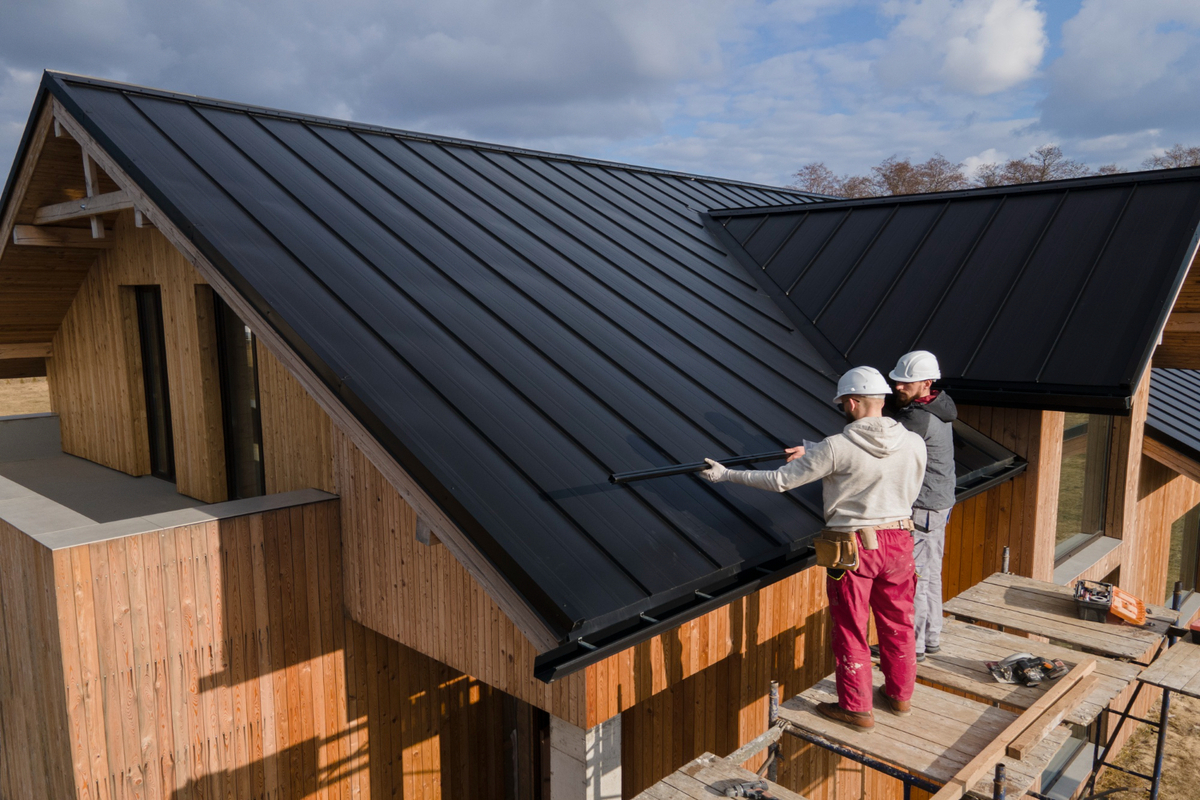
5- Roof and Flashing Defects
Roofs may appear flawless from the ground, but the inspectors see otherwise.
Common problems include:
- Improper flashing around chimneys and vents.
- Missing or inadequately attached shingles.
- Exposed nail heads.
Roofing issues are among the most expensive new construction inspection surprises when missed early.
6- Missing or Incomplete Insulation
It is easy to skip or rush insulation when constructing a structure, as it is soon covered.
Inspectors frequently find:
- Gaps in attic insulation.
- The lack of insulation around ducts.
- Incorrect levels of insulation.
According to the U.S. Department of Energy, poor insulation can significantly increase heating and cooling costs.
7- Windows and Doors Not Closed Off Appropriately
Another area where shortcuts can be found is with windows and doors.
Poor sealing leads to:
- Air leaks.
- Water intrusion.
- Drafty rooms.
According to the U.S. Department of Energy, heat gain and heat loss through windows account for approximately 25%–30% of residential heating and cooling energy use.
8- Surface Defects or Foundation Cracks
Not every crack in the foundation is a red flag, though some are.
A new construction inspection helps identify:
- Shrinkage cracks versus structural concerns.
- Poor concrete finishing.
- Inadequate curing.
Identifying them at earlier stages enables builders to repair them before the warranties lapse.
9- Safety Items Installed Improperly
The code requires installing smoke detectors, GFCI outlets, and handrails, though this does not imply they are always properly installed.
Inspectors often find:
- Lacking GFCIs in the proximity of the water sources.
- Smoke detectors are not linked to one another.
- Loose stair railings.
Inadequate safety installations are one of the pitfalls pointing to safety problems in houses.
10- Cosmetic Issues that Signal Bigger Problems
Cosmetic defects are not considered significant by many buyers, but they often indicate poor workmanship.
Examples include:
- Uneven floors.
- Poor drywall finishing.
- Misaligned cabinets.
Although superficial, these problems may indicate more extensive craftsmanship issues elsewhere in the house.
Final Thoughts: Why New Construction Inspections Protect Your Investment
A new house should be full of joy, not costly surprises.
Unfortunately, hidden problems uncovered during a new construction inspection are not uncommon. When you know what to look into, they are predictable and preventable. Inspection provides you with clarity, confidence, and even an opportunity to solve a problem when the builder is at fault.
A new home is one of the largest investments you will ever make. There is no need to take a risk by buying it without due examination.
Clatterbuck Home Inspections specializes in detailed new construction inspections that uncover problems before they cost you time, money, or peace of mind. We take the time to explain what we find and what it means for your home.
If you want confidence in your new build, schedule your new-construction inspection with us and move in knowing your home was built right.