
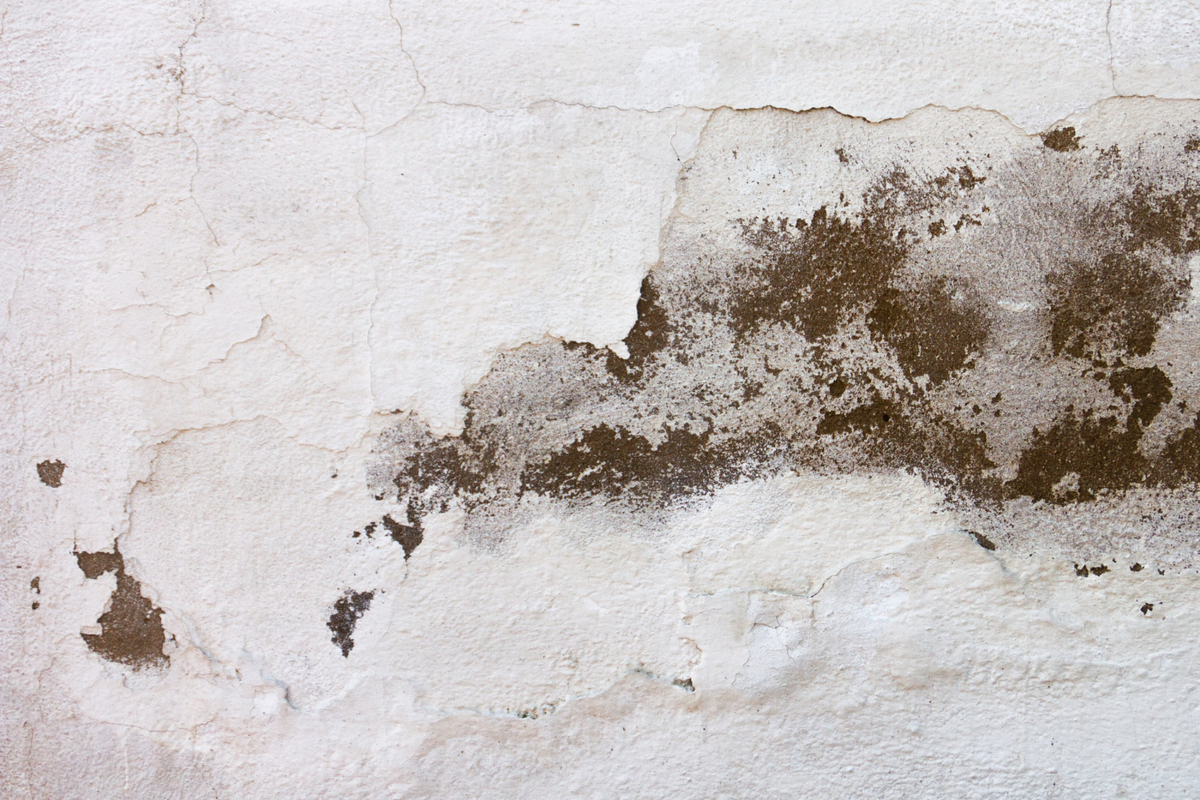
If you picture mold, imagine a dark, fuzzy patch on a surface. But in reality, the mold is often found hidden behind walls, under flooring, inside HVAC systems, or anywhere moisture sneaks in without being noticed.
According to the U.S. Environmental Protection Agency (EPA), mold can begin growing within 24-48 hours on a damp surface. That means a small leak, a bit of condensation, or even high indoor humidity can kickstart a problem long before you see anything with your own eyes. The key is spotting the signs of hidden mold in homes early so you can stop it before it becomes a costly (and unhealthy) issue.
Let’s break down how to detect mold growth before it takes over your space.
Why Hidden Mold Is So Hard to Catch
Hidden mold doesn’t always look like the typical green or black spots. In most cases, it’s tucked away in places you don’t usually inspect. It spreads quietly, feeding on drywall, insulation, wood, and even dust. Here’s why it goes unnoticed:
- Mold only needs moisture and organic material to grow. Walls, carpets, and even furniture can become sources of food.
- Leaks are often slow and silent. A tiny drip inside a wall can fuel mold for months.
- Humidity builds up indoors without obvious signs. Bathrooms, attics, and basements are mold hotspots even without visible water damage.
This is why being proactive, not reactive, is essential.
Signs That Indicate the Presence of Mold
Even the hidden mold shows signs of its presence. You just need to be vigilant and notice the following signs:
Musty or Earthy Odors You Can’t Trace
A strong musty odor is the first and most common sign of hidden mold in homes. Even if you don’t see visible growth, your nose can often detect what your eyes can’t.
If the smell gets stronger in one room, especially near vents, closets, or basements, it indicates that mold is present there. Mold produces microbial volatile organic compounds (MVOCs), many of which have that classic musty odor.
Recent Water Damage; Even If It Seems Minor
Any history of moisture should automatically raise suspicion. Check if there is:
- Recent plumbing leaks
- Roof leaks after storms
- Overflowing sinks or tubs
- Flooding
- Condensation on windows or walls
Remember: mold often grows behind surfaces that appear dry on the outside but remain damp on the inside.
Discoloration, Stains, or Bubbling Surfaces
The hidden mold itself leaves clues behind. Check your place for:
- Yellowish or brown water stains
- Peeling paint
- Bubbling wallpaper
- Warped drywall
- Dark spots on ceilings
These surface changes suggest moisture buildup, which almost always indicates mold risk.
Unexplained Allergy Symptoms
If your home triggers symptoms that go away when you leave, hidden mold may be the culprit. Common allergy-like reactions include:
- Sneezing
- Itchy eyes
- Coughing
- Congestion
- Headaches
- Skin irritation
If exposure is prolonged, it can contribute to sinus infections.
Rising Humidity Levels Indoors
Mold thrives when indoor humidity rises above 60%. Areas like bathrooms, laundries, and basements regularly hit those levels, especially in warm months.
You can use a hygrometer to monitor humidity. If you consistently see high readings, mold may already be forming in hidden areas.
HVAC and Ventilation Issues
Your heating and cooling system moves air and mold spores throughout your home. Warning signs include:
- Musty smells when the AC or heat turns on
- Dust buildup around vents
- Poor airflow in specific rooms
Mold inside ductwork is especially tricky because you won’t see it, but you’ll certainly breathe it.
Condensation on Windows or Cold Surfaces
Condensation is always a sign that moisture levels are off. If you see:
- Foggy windows
- Water pooling on sills
- Moisture on pipes
There’s a good chance hidden mold is forming in the surrounding walls or insulation.
How to Prevent Hidden Mold from Returning
Once you have addressed the issue, prevention becomes essential. Experts recommend:
- Keeping indoor humidity between 30–50%
- Fixing leaks quickly
- Ensuring proper ventilation in bathrooms and kitchens
- Using dehumidifiers in damp areas
- Cleaning and maintaining HVAC systems
These small steps can help reduce the chances of mold growth in your home.
Catch Mold Before it Becomes a Problem
Hidden mold can be really problematic. Knowing the signs of hidden mold in homes, from musty odors to mysterious stains and humidity spikes, can help you catch problems early, protect your health, and avoid costly repairs.
By staying proactive, using your senses, and paying attention to subtle changes in your living environment, you can keep hidden mold from becoming a major concern. But if you have noticed any of the signs mentioned above, get a mold inspection as soon as possible. Get expert help from Clatterbuck Home Inspections and breathe in a healthy environment.