
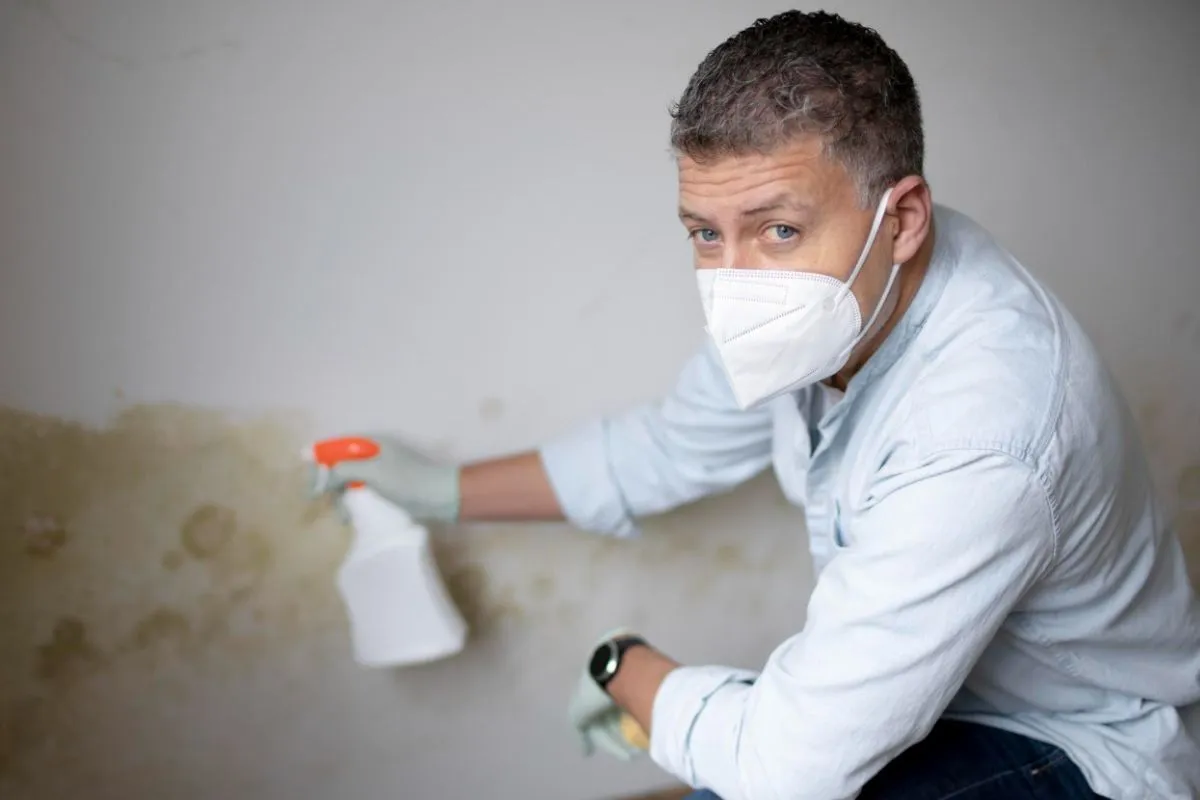
Picture this: You’ve just settled into your new rental when you notice a musty odor and dark patches creeping along the walls. Your landlord never mentioned mold, and hasn’t conducted any tests. Is this legal? What are your rights?
This common scenario leaves many renters wondering where landlords stand on mold disclosure and testing. While regulations vary by state, understanding your rights could mean the difference between a healthy home and a hazardous one.
What’s a Mold Inspection Report
A mold inspection report documents the location of mold, moisture sources, and, in some cases, the specific species detected. It is compiled with the help of tools such as moisture meters, infrared cameras, and air samplers used by professionals.
These instruments help to determine the level of seriousness of the problem and clean it up accordingly.
Is it Compulsory to Test
Now it becomes tricky.
There is no federal law requiring landlords to test or share mold inspection reports. Nevertheless, this does not mean they are free of responsibility.
Housing landlords have a duty to present an inhabitable unit, which means it is safe, clean, and free from any health risks. Leakage or ventilation issues that lead to mold should be handled early.
Are the Landlords Liable to do Mold Testing
So, do landlords need to test for mold? Usually not, unless:
- There are health complaints by tenants.
- No visible mold, but is suspected to be behind walls, etc.
- There are litigation or insurance claims.
Rentce states that the landlords should not actively test. However, testing can be useful when tenants are concerned about mold species or when legal measures are taken.
The Impact of Mold on Health and Why it is a Legal Issue
Mold is not just an aesthetic problem. The CDC associates exposure to mold with respiratory symptoms, wheezing, and chronic asthma, primarily in children and older adults. In extreme cases, individuals with mold allergies or weakened immune systems may experience more severe reactions.
This health effect threatens landlords with severe legal implications if they fail to address the mold issue. There have even been court battles in which tenants have won their right to sue a landlord over hospital bills, relocation costs, and sometimes emotional damages due to exposure to toxic mold.
Consider an example of Hayward (just outside San Francisco). In 2004, 124 tenants of the Park Hill Apartments reached a $3.8 million settlement. The lawsuit cited mold infestations, leaks, and substandard living conditions that caused health problems such as asthma, headaches, and sinus issues.
These legal consequences often hinge on whether a landlord ignored the problem or failed to provide documentation, such as a mold inspection report.
Story Time: NYC Renters Fight Back
We can take the example of Kelly Kreth in Manhattan. She found mold when she noticed the symptoms of her illness associated with Lyme infection. Toxic mold was found in her unit after tests. Her landlord hired a mold company and did not share the findings. She sued and objected to the insufficient remediation and lack of transparency.
That case demonstrates that mold inspection reports can significantly impact legal battles and affect tenant health.
What Can Tenants Do
To test the suspicion of mold, here is a step-by-step guide:
- Write everything down: take photographs, record locations, odors.
- Write to your landlord: Use text or email. Documentary evidence will be required.
- Request a mold inspection report: If you’re experiencing symptoms that you can’t see but can smell or feel.
National Laws on Your Rights
- California: Disclosure and providing mold-related guidance.
- Washington: Must implement mold guidance and moisture solutions.
- Other states: Where responsibility is concerned, it is most often defined by the rule of habitability.
- Go to the next level: File a complaint with the local housing code or refuse to pay rent when a mold-infested structure renders the premises inhabitable, within the limits of the local law.
Landlords Tips
In the case of landlords, initiation is worthwhile:
- Before leasing, conduct a mold inspection.
- When leaks are detected, immediately fix them.
- Document remediation steps.
- Stay clear in lease language, but don’t overrestrict tenant testing—NYC courts may consider those clauses unfair.
The Takeaway
- A mold inspection report can protect both the tenant’s health and the landlord’s liability.
- The landlords do not necessarily need to test, but are obliged to deal with molds that appear.
- Mold inspection reports can be requested by tenants when no obvious visibility of mold and health concerns arise.
- Laws are state-specific. Check whether the codes differ in your region or consult experts for guidance.
Final Words
Not only is mold unsightly, but it can also damage your property, your wallet, and even your health. A clear mold inspection report gives peace of mind and guides safe fixes. As a tenant or homeowner, you can take the proper actions to keep your property safe.
Do you have concerns about mold in your rental home? Contact Clatterbuck Home Inspections. Our certified inspectors deliver reliable mold inspection reports, professional remediation guidance, and fast, friendly service. Guard your health and property. Contact Clatterbuck Inspections and schedule your inspection.