
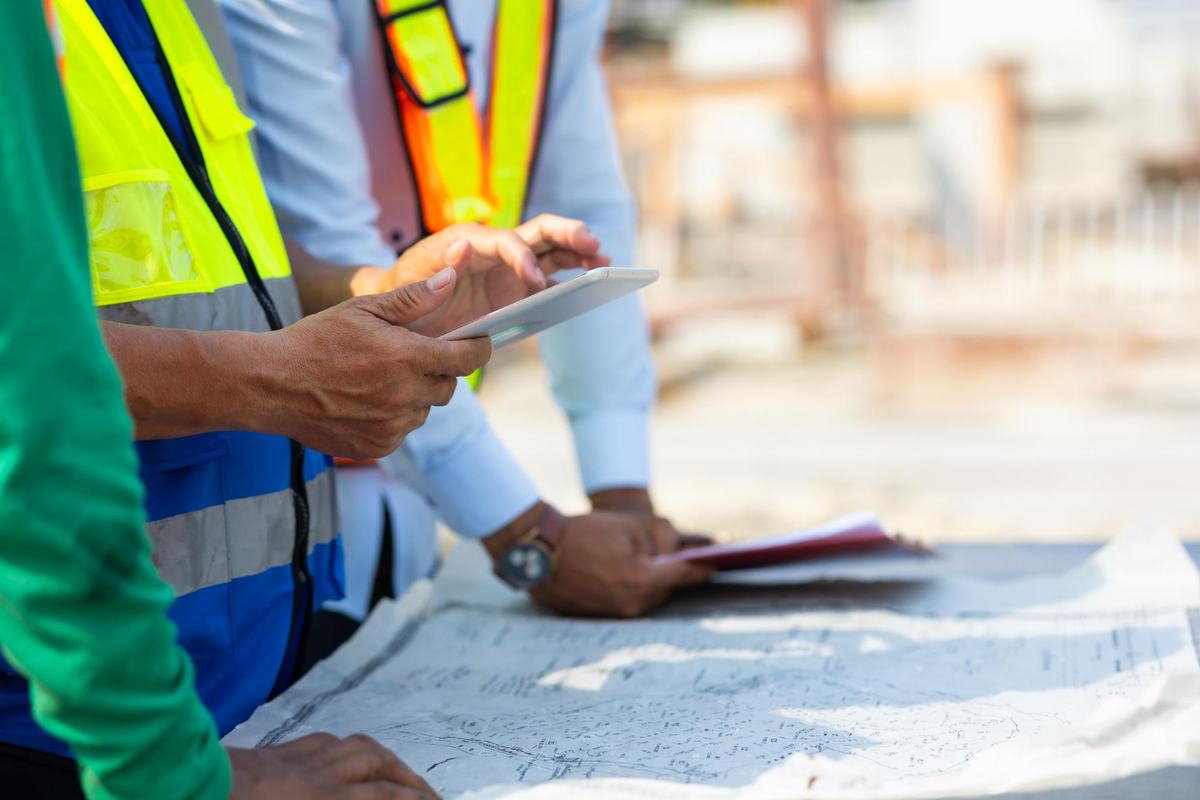
Constructing a new house or commercial building is a thrilling experience. However, this may become a stressor for several people once the construction is complete and some unanticipated problems arise. The fact of the matter is that new construction inspections are crucial in preventing costly surprises and ensuring that everything is constructed to code and meets your expectations.
You may feel overwhelmed with all the details involved with new construction inspection, and we have a guide to help you with that. Here, we will discuss seven essential steps necessary for conducting a proper construction inspection and preventing situations where something can go wrong.
It doesn’t matter if you are a new builder or someone with tons of experience in this field; these steps will help you save time, money, and future headaches. So, let’s start.
Why Are Construction Inspections So Significant
You will think, “Isn’t the new building supposed to be perfect?” Unfortunately, it is not always the case. A Consumer Reports study (in their “Housewrecked” report) claimed that as many as 15% of all new homes sold have a serious defect. Usually, these issues range from minor cosmetic flaws to major structural problems.
Shortcuts or rushing through construction inspections will cost you heavily in the future. An extensive inspection detects issues before it is too late. It ensures the builder has followed all safety codes, quality standards, and your contractual requirements.
Now, let’s explore the seven steps of a comprehensive guide to the inspection of new construction.
Step 1: Pre-Construction Planning and Permits Review
Consider building plans and permits before you hammer in the first nail. Secure all necessary permits and comply with local building codes and regulations. This forms the foundation for a smooth and easy construction process, thereby averting any potential legal challenges that may arise in the future.
In a study covering over 2,000 projects in 26 states (with about 42,000 inspections of 1.1 million construction assemblies), construction defects were found in about 3% of assemblies in single‑family homes nationwide.
Step 2: Foundation Inspection
The backbone of any building is its foundation. Inspectors ensure the correct excavation, compaction of soil, as well as proper footings and rebar installation. Any cracks or settling left unattended now may lead to severe structural problems.
The Guide to Foundation and Support by HUD (and others) explains that poor compaction, organic soils, or improper removal of unsuitable soil can lead to future foundation failures or damage. Therefore, it is essential to conduct a proper groundwork check-up to prevent headaches in the future.
Step 3: Framing Inspection
The inspector should also ensure that the walls, floor, and roof structures are well-framed and firmly attached. This is to ensure that the approved building structure is used.
Improper framing can cause uneven floors. A timely inspection can identify the issue, allowing the builder to correct it before the drywall is installed.
Step 4: Electrical and Plumbing Inspections
The plumbing and wiring should meet the highest safety standards. The inspectors will verify the correct installation, proper grounding, and code compliance.
In 2023, U.S. homes experienced approximately 23,700 residential building fires caused by electrical malfunctions, highlighting the importance of carefully inspecting electrical installations in new buildings.
Step 5: Insulation and HVAC Inspection
Adequate insulation has a direct impact on the energy efficiency and comfort level of a building. The HVAC system must be properly installed to provide efficient heating and cooling.
In a typical home, air leakage accounts for 25% to 40% of the energy produced by your heating and cooling equipment. Proper inspection in this case will ensure that your new building is energy-efficient and economical to operate.
Step 6: Inspection of Drywall and Interior Finishes
This is achieved by inspecting the drywall construction, paint quality, and interior finishes, including floor and cabinet construction. Here, defects are caught before surfacing as expensive reworks after move-in. According to a report by Forbes Home, replacing drywall can cost between $0.70 and $1.60 per square foot.
The inspector will look for seemingly harmless defects such as drywall cracks or visible nail pops. They could mean the framing behind the wall was not done right, or there is a shifting foundation.
Step 7: Final Inspection and Walkthrough
The final check-up will ensure that the project is complete and all systems are in place, ready for public use. This consists of checking smoke detectors, ventilation, doors, windows, and external finishes.
A professional inspector will also provide a detailed report, including any unresolved problems that the builder should address. This last stage is your final opportunity to ensure that the home or building meets the required standards and that you can safely move in.
What Is the Rationale of Trusting Professional Construction Inspections
While some might favor a DIY approach or simply take the word of a builder, the professional construction inspection is an objective and independent opinion. A survey found that 65% of new home buyers who opted for an inspection uncovered issues with their newly constructed homes. Notably, 24% of these homes failed the first inspection, underscoring the importance of independent evaluations, even in new builds.
Recruiting professionals, however, means that your investment is insured. Reputed inspection companies focus on comprehensive, trustworthy new construction inspection services that are also client-centered.
Conclusion
Contrary to what many people consider, construction inspections are not necessarily an additional burden, but rather the best way to protect against unforeseen construction repairs, safety issues, and construction mistakes. Whether it is a review of permits or the final walkthrough, these seven steps will keep you informed and at ease throughout the entire building process.
In the long term, thorough inspection of new constructions can save thousands of dollars and stress. Therefore, avoid corner-cutting, invest in quality check-ups, and have a wonderful time in your new home.
Clatterbuck Inspections offers professional-grade new construction inspections. With years of experience behind us, we provide detailed reports that help you make informed decisions. Don’t wait until issues arise; book your construction inspections with Clatterbuck Inspections now and start building with confidence.