
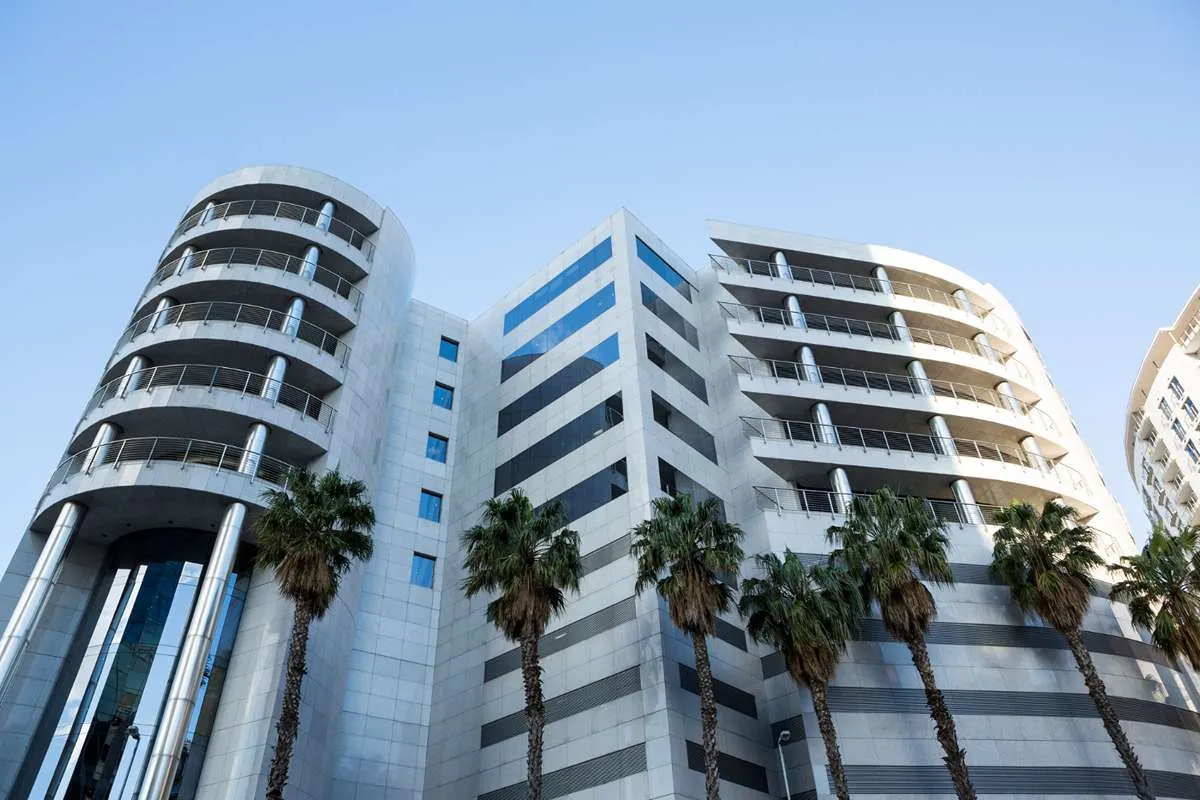
Commercial vs. residential inspections, not the same at all.
Buying a commercial property is a whole different game from buying a house. A home inspection might tell you if the faucets work and the roof is holding up, but a commercial inspection goes much deeper because the stakes are usually higher, the systems are larger, and the costs can add up fast.
In this blog, we’ll break down how commercial inspections differ from residential inspections and why that matters before you sign anything. Understanding the differences between commercial vs. residential inspections saves you from expensive legal battles and surprise repair bills.
What Is a Commercial Property Inspection Exactly
A lot of people think a building is just a building. If you can inspect a house, you can inspect an office, right? That logic is actually oversimplistic and dangerous. A commercial property inspection is a deep dive into the physical condition of a business-use building.
It follows a different set of rules called the ASTM E2018 standards. These are the professional guidelines for checking everything from retail shops to massive factories.
The Biggest Differences in the Inspection Scope
The scale of the systems is the first thing you will notice. A house has a furnace, but an office might have a complex boiler system or huge chillers on the roof.
Residential inspections focus on how a family lives in a space. They look at kitchen appliances, bedroom windows, and attic insulation.
Commercial vs. residential inspections differ because business buildings prioritize safety and accessibility. Inspectors spend a lot of time on fire exits, heavy-duty electrical panels, and parking lot grading.
A Famous Lesson from the Millennium Tower
The stakes for commercial buildings are incredibly high. Look at the Millennium Tower in San Francisco for a real-world example of what happens when things go wrong. This luxury high-rise started tilting and sinking shortly after it was built.
Residents were stuck with a building that was literally moving under their feet. The San Francisco Chronicle reported that the fix for this oversight cost over $100 million. While this is an extreme case, it shows why commercial scrutiny is so intense.
Small cracks in a house might be nothing. Small cracks in a high-rise foundation could be a catastrophic structural failure.
Fire Safety Is Not Just Checking the Smoke Detectors
In a house, you just need a few battery-operated alarms. In commercial space, the rules are much stricter. Commercial vs. residential inspections look at fire suppression systems like high-pressure sprinklers and specialized extinguishers. They have to follow strict NFPA codes to stay legal.
If these systems fail an inspection, the fire marshal can shut your business down in an afternoon. New business owners who are just familiar with residential rules might be especially in trouble.
The Inspection Team Is Often Larger
When you buy a house, one person usually handles the whole thing. They check the roof, the pipes, and the lights.
For a commercial job, the inspector might bring a whole crew. They might hire a specialist just for the elevators or a structural engineer for the parking garage.
The goal is to provide a “Property Condition Assessment.” This report tells the investor exactly how much money they will need to spend over the next five years.
Accessibility and the Law
Residential homes do not have to follow the Americans with Disabilities Act (ADA) guidelines. Your private house does not need a wheelchair ramp or specific counter heights.
Commercial properties are a totally different story. If a business is open to the public, it must meet ADA standards.
An inspector will check the width of your doorways and the slope of your ramps. If the building is not compliant, you could face massive fines or lawsuits.
Why the Paperwork Takes Longer
A home inspection report is usually ready the next day. A commercial report can take a week or more to finish. This is because the inspector has to review years of maintenance records. They look at past repairs, elevator certifications, and roof warranties.
The bank often requires this detailed report before it will even think about releasing the funds.
Cost of Ownership and Long-Term Planning
Residential inspections help you decide whether to buy the house. Commercial inspections help you build a ten-year budget.
If the inspector finds that the parking lot needs repaving in three years, you can use that to negotiate the price. You are looking for deferred maintenance that could kill your profit margins.
A bad roof on a house might cost from $3,500 to $20,000 to replace. A bad roof on a grocery store can easily top $200,000.
How to Tell Which Inspection You Actually Need
If the building is meant for someone to live in full-time, it is usually residential. This includes single-family homes and small duplexes.
Anything larger, like an apartment complex with more than four units, falls under commercial rules. Even if people live there, the scale of the plumbing and electrical systems makes it a commercial job.
Knowing the difference prevents you from hiring the wrong person for the job. You need an expert who knows how to spot industrial-sized problems.
Making the Right Choice for Your Property
Choosing the right professional is the best way to protect your money. Whether you are buying your first home or your fifth retail space, details matter.
The gap between commercial vs. residential inspections is all about the level of risk. Commercial properties have more moving parts and way more legal red flags.
Always ask your inspector about their experience with your specific type of building. A little bit of research now prevents a lot of regret later.
If you are looking for a reliable team to look over your next investment, reach out to Clatterbuck Home Inspections. We are a professional home inspection company that prides itself on being thorough and honest with every client. We help you understand the true condition of your property so you can make a smart, safe decision.