
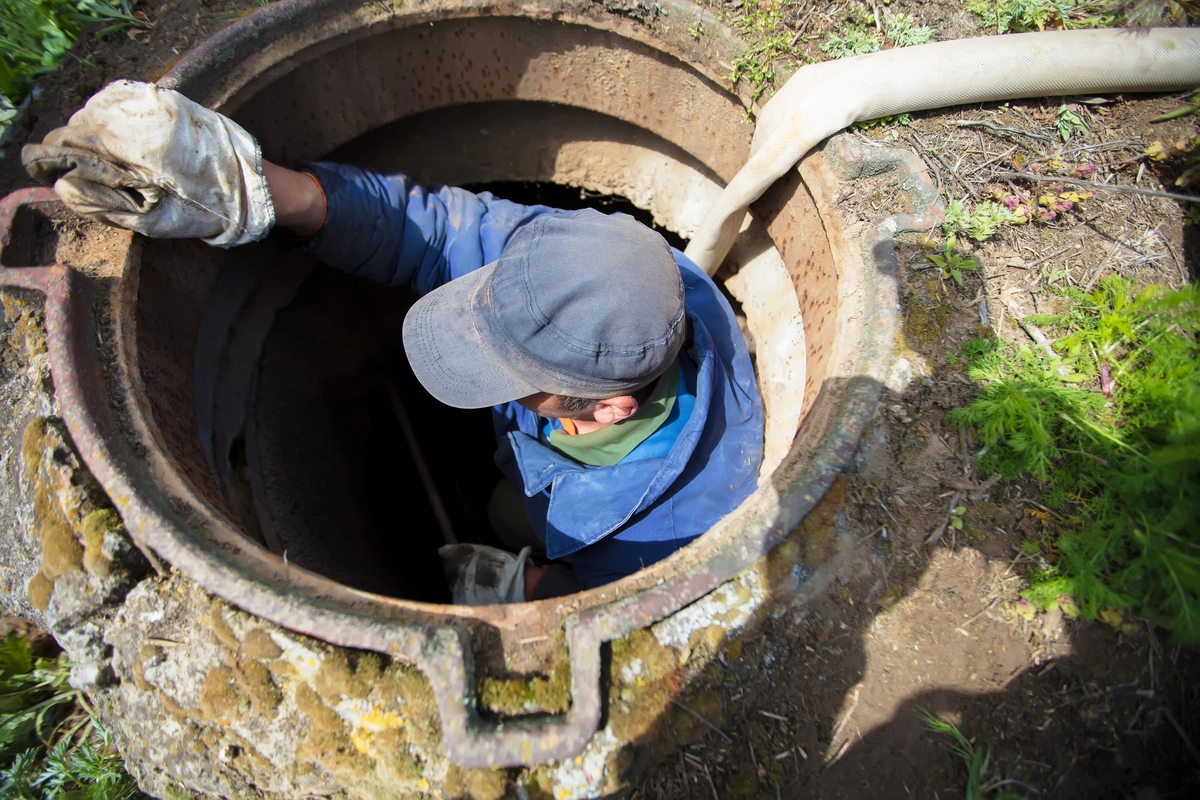
Picture this: you’re pouring a glass of water from your kitchen faucet and realize the water smells foul or tastes off. You rely on that water for drinking, cooking, cleaning, and bathing. If your home relies on a private well, this scenario highlights the importance of well inspection.
A well may be out of sight, but it’s never out of mind.
In this blog, we’ll guide you through inspecting a well system, what to look for, and why professional well system inspections are crucial for peace of mind and a safe living environment.
Why Well Inspection Matters
According to the CDC, private wells are the source of supply for more than 43 million Americans (CDC). However, they’re often overlooked on most homeowners’ maintenance checklists.
A well inspection helps catch issues before they become serious. From poor water pressure to contamination, a comprehensive well inspection ensures it remains clean, operational, and safe for your family.
What Is A Well Inspection
Let’s start with the basics.
A well inspection is a full evaluation of your well system, including water quality, pressure, pump performance, and structural components. Think of it as a health check-up for water.
It usually involves:
- Physical inspection of the well.
- Testing the water quality (for bacteria, nitrates, and pH levels).
- Inspection of the pump and pressure tank.
- Measuring flow rate and water yield.
- Reviewing the electrical system.
Regular well-system inspections help prevent surprise repairs and health risks; it doesn’t matter whether you are buying a new home or maintaining your current one.
When Should You Look At A Well
Here are the key times to schedule a well inspection:
- Before buying a home with a well system.
- Annually, as part of the routine maintenance.
- After flooding, drought, or storms.
- If anything changes about the taste, color, or smell of the water.
- If the water pressure suddenly drops.
- If your water tests positive for contaminants.
Delaying inspection can lead to system failure or contaminated drinking water.
Step-by-Step: What It Takes To Inspect A Well System
Now, let’s go through how to inspect a well system. Although homeowners can perform some steps, a complete inspection should be in the hands of licensed professionals.
Start With A Visual Inspection
Start by finding your wellhead, the cap that sticks out of the ground. It should measure at least 12 inches above ground and be tightly sealed.
Look for:
- Cracks or perforations in the casing.
- Rust or corrosion.
- Loose electrical wire or exposed components.
- Pooling water or puddles near the base.
- A broken wellhead can expose your water to contaminants, including bacteria, insects, and chemicals.
Check The Pressure Tank
Your pressure tank regulates the water supply to your home.
Look for:
- Rust spots or leaks.
- Strange sounds (such as banging or clicking).
- Rapid on-and-off cycling (short bursts of operation).
If the tank’s bladder gets torn or the pressure switch is faulty, your water pressure may become unreliable.
Test The Water Quality
This is one of the most important parts of a well inspection.
Test for:
- Coliform bacteria, including E. coli.
- Nitrates and nitrites (near farms).
- Ideal pH levels should range between 6.5 and 8.5.
- Water hardness can affect plumbing and appliances.
- Stain of iron or manganese (which can stain fixtures).
Well owners should test their water at least once a year, according to the EPA.
Check The Pump And Electrical System
Your well system’s heart is the pump.
A professional will:
- Test the motor amperage.
- Measure the flow rate and water yield.
- Inspect wiring and connections.
- Listen for unusual noises.
- Poor performance could mean your pump is aging or undersized for your home’s needs.
Measure The Water Level
Low water levels could indicate overuse, a dropping aquifer, or a blocked screen.
Using special tools, technicians can measure:
- Non-pumping water level (when the pump is off).
- Water level with pump (on).
These two readings help diagnose supply or performance problems.
Common Issues Found In Well Inspections
The most common problems include the following:
- Bacterial contamination.
- Cracked well casing.
- Corroded pressure tanks.
- Less yield or slow recovery rate.
- Sediment buildup in the pump
Catching these issues early can save you thousands in repairs and protect your health.
DIY vs. Professional Inspections
While you can do basic checks, such as looking for leaks or testing water taste and smell, only a professional has the tools and training for a complete well inspection.
They can:
- Identify hidden signs of system failure.
- Perform lab-certified water tests.
- Provide inspection reports required for home sales or refinancing.
- Recommend tailored maintenance plans.
Remember, it’s more than solving problems; it’s about avoiding them.
Conclusion: Keep Your Well Healthy
Your well is not just a hole in the ground; it is your personal water source. You could be risking both your health and your home’s value without regular well inspections.
Annual well system inspections are a small investment with huge payoffs. Safe water. Strong pressure.
Fewer breakdowns.
At Clatterbuck Home Inspections, we specialize in thorough, affordable well inspections that give you absolute peace of mind. If you are purchasing a property, maintaining one you already own, or even if something is off, we’ve got your back.
We utilize state-of-the-art equipment and employ certified professionals with years of proven experience to provide you with comprehensive findings that you can rely on. Don’t wait for the water to dry or give off a weird odor. Schedule your well inspection with Clatterbuck Home Inspections today, because clean water starts with knowing what lies beneath.